
 904-204-2114 Call today


Do you have diabetes?
Suffering from neuropathy, tingling, numbness in your feet and legs?
It’s time to learn about PIR – Physiologic Insulin Resenitization treatment.
The management of metabolic disease and diabetes presents significant challenges due to the rarity and complexity of diagnosis and treatment. Maintaining good metabolic health is essential for regulating body weight, blood sugar levels, cholesterol, and other vital functions.
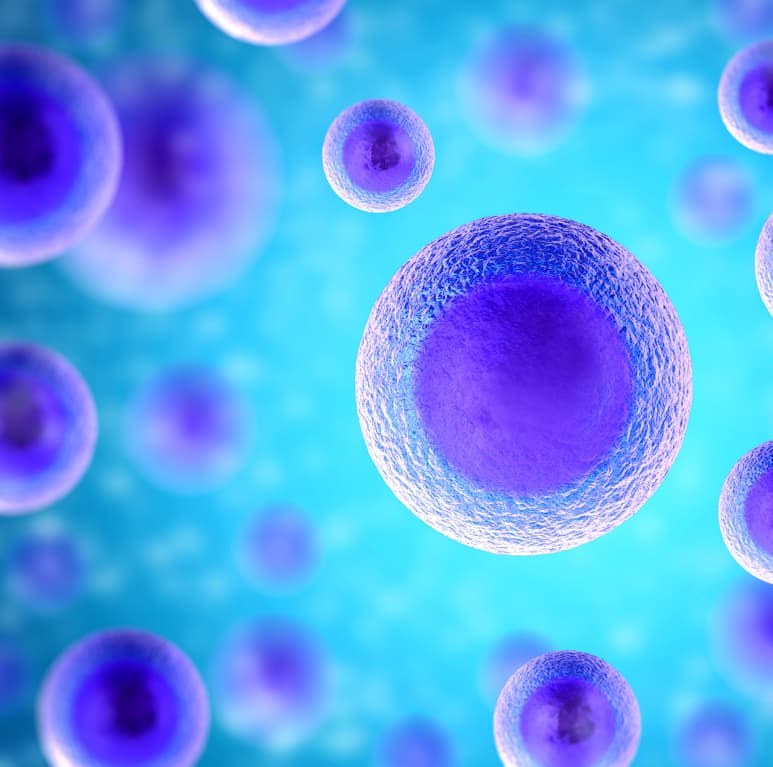
PIR at a cellular level
At The Cell Center, Physiologic Insulin Resensitization (PIR) is used to help the physician reduce insulin resistance, making chronic metabolic conditions more manageable. As an established provider of PIR treatment, we are committed to delivering the highest quality of care and treatment, ensuring an exceptional patient experience, enhancing patient outcomes and achieving substantial healthcare savings.
PATIENT REPORTED HEALTH BENEFITS
- A1C lowered
- Parkinson’s dyskinesia reduced
- Dementia issues
- Presurgical clearance
- Neuropathy diminished
- Amputations prevented
- Wounds healed
- Blood pressure reduced
- Energy restored
- Headaches/Brain fog reduced
- Reduced urination
- Weight management
- Mood and sleep improved
- Hair and nail growth
- Sexual performance enhanced
- Improved vision
- Dry mouth and skin
The Truth of Diabetes and Metabolic Diseases
Innovation is crucial for advancing medical breakthroughs, treatments, patient care and cost.
Currently, over 38.4 million individuals across all age groups, representing 11.6% of the population, are diagnosed with diabetes, including 38.1 million adults aged 18 years or older and 97.6 million prediabetic individuals within the same age group. The effects on individuals’ lives are substantial and, in some instances, irreversible.
In 2022, the cost of diagnosed diabetes in the United States was $413 billion, with $307 billion attributed to direct medical expenses. Diabetes also results in lost productivity due to disability, presenteeism, and premature mortality. The economic burden from metabolic diseases, such as cardiovascular diseases, is projected to reach $2 trillion by 2050. It is noteworthy that 90% of the $4.5 trillion annual healthcare expenditure is allocated to chronic conditions.
Building the Future of Metabolic Treatment on a Foundation of Trust.
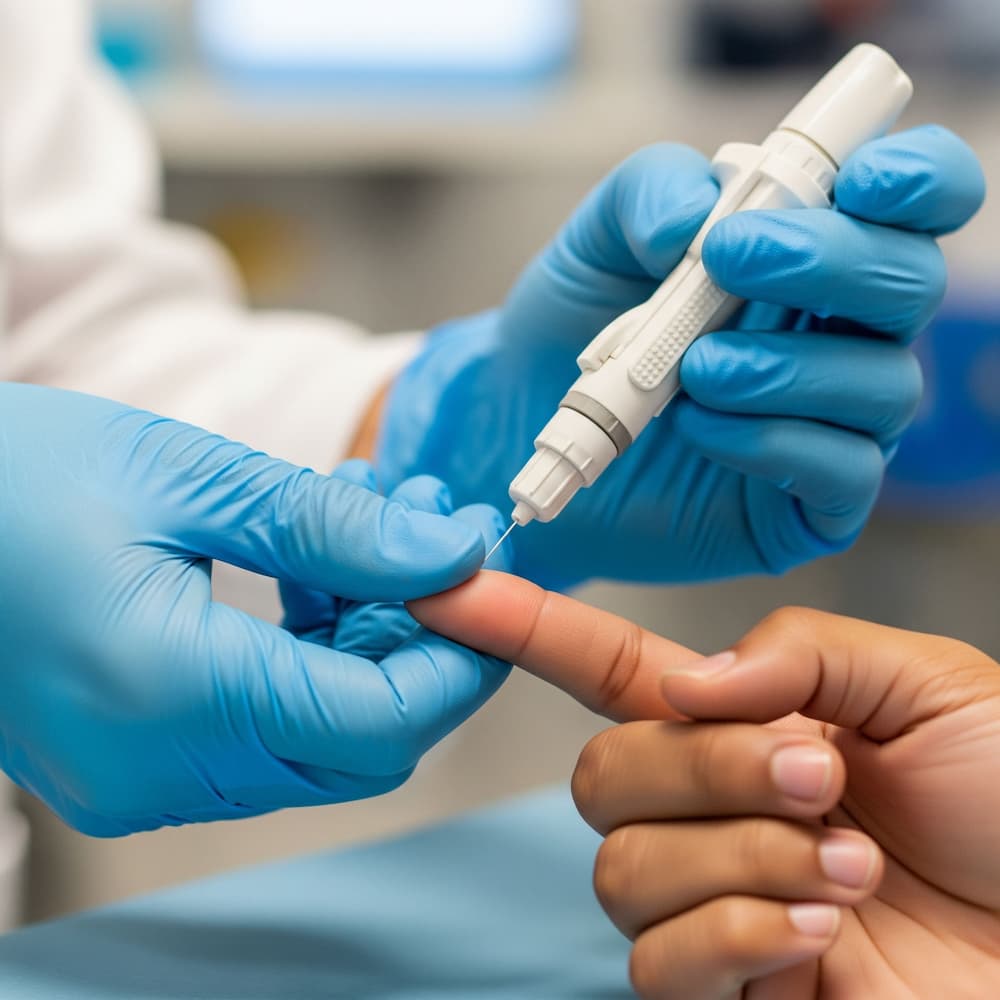
THE BENEFTIS OF PIR
Physiologic Insulin Resensitization (PIR)
At The Cell Center, Physiologic Insulin Resensitization (PIR) is used to reduce insulin resistance, making chronic metabolic conditions more manageable. Developed in 2007, PIR aims to improve glycemic control and has positive impacts on blood pressure, renal function, neuropathy symptoms, insulin sensitivity, and chronic fatigue. It can benefit individuals with diabetes, prediabetes, metabolic syndrome, Polycystic Ovary Syndrome (PCOS), and other insulin-resistant conditions.
PIR is designed to rejuvenate cells using preventive and minimally invasive techniques, aiming to enhance patient care. Under physician-directed care plans, PIR employs a comprehensive approach that emphasizes both efficacy and safety.
Insurance preauthorization submitted during consultation, Medicaid and Medicare. Cash payments also accepted and or Credit Care® financing.

Disease Improvements with PIR
Source: Schull Institute, Houston, Texas, October 27, 2015 retrospective study
95%
Neuropathy Improved
91%
Chronic Kidney Disease Stabilized or Reversed
76%
Improvement in at least 1 associated complication
63%
HbA1C Reduced
41%
Medications Reduced
PIR Patient Health Testimonials
Our Patients’ Journeys: Real stories of renewed health
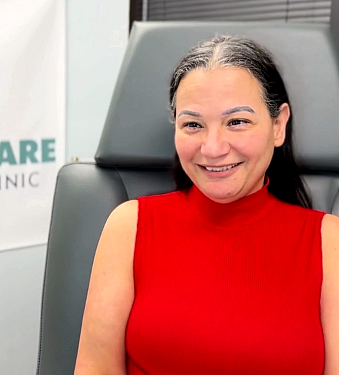
Madeline Correa
TYPE 2 DIABETES
Symptoms: Increase frequency of urination, nocturia, uncontrollable blood sugar, gastroparesis and sexual dysfunction.
PIR Benefits/90 Day Evaluation: A1C from 9.4% – 7%, increased energy, food cravings reduced, discontinued one medication, increased sex drive.

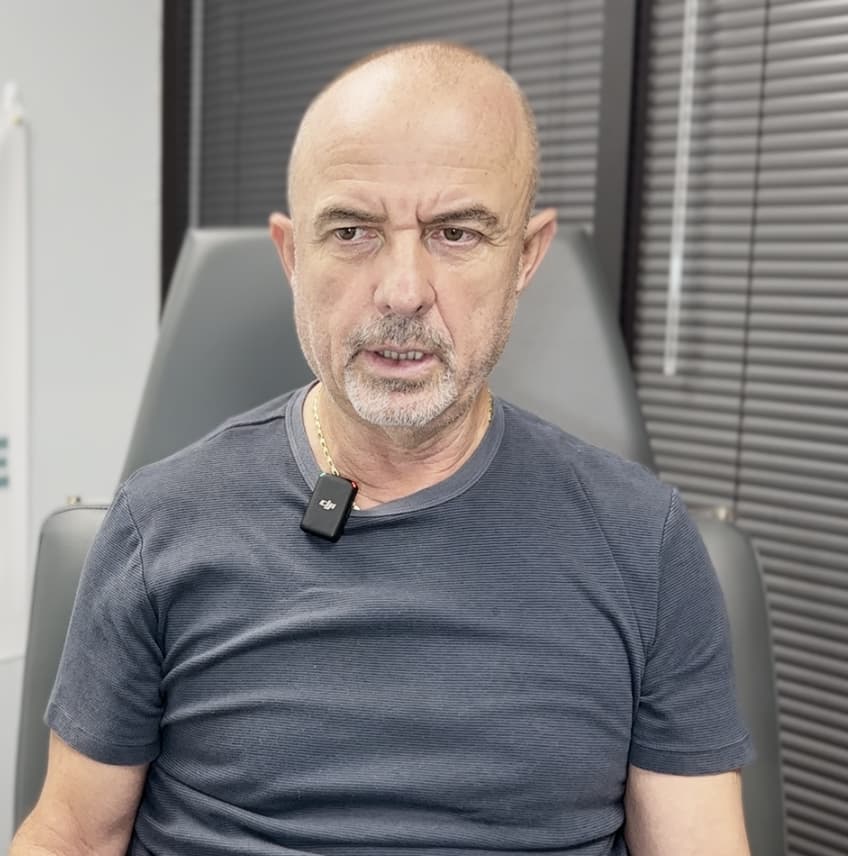
Sokol Bella
PARKINSON’S DISEASE
Symptoms: Tremors, bradykinesia, muscle stiffness, stooped posture, assistance with ADL’s and shuffled gait.
PIR Benefits/90 Day Evaluation: Morning energy performing his ADL’s unassisted, decreased dyskinesia and tremors improved balance, decreased carbidopa-levodopa, walking up to 2 miles daily, drove in five years.