
 904-204-2114 Call today

The Science
The Truth of Diabetes and Metabolic Diseases
Innovation is crucial for advancing medical breakthroughs, treatments, patient care and cost.
Currently, over 38.4 million individuals across all age groups, representing 11.6% of the population, are diagnosed with diabetes, including 38.1 million adults aged 18 years or older and 97.6 million prediabetic individuals within the same age group. The effects on individuals’ lives are substantial and, in some instances, irreversible.
In 2022, the cost of diagnosed diabetes in the United States was $413 billion, with $307 billion attributed to direct medical expenses. Diabetes also results in lost productivity due to disability, presenteeism, and premature mortality. The economic burden from metabolic diseases, such as cardiovascular diseases, is projected to reach $2 trillion by 2050. It is noteworthy that 90% of the $4.5 trillion annual healthcare expenditure is allocated to chronic conditions.
Well Cell®
Well Cell is a family of companies headed by Well Cell Global LLC, a Research and Development Biotech Healthcare Company with principal offices in Houston, Texas. Well Cell, with three U. S. patents issued and one international patent pending, is the global leader in Glucose Metabolism Optimization as developer and licensor of Physiologic Insulin Resensitization®, referred to as “PIR®”.
Peer-Reviewed Publications
Well Cell® on Physiologic Insulin Resensitization®
Physiologic Insulin Resensitization Lowers Cost in Patients With Diabetes and Kidney Disease
Physiologic Insulin Resensitization Lowers Cost in Patients With Diabetes and Kidney Disease
Effect of Physiologic Insulin Resensitization on Stages of Chronic Kidney Disease
Effect of Physiologic Insulin Resensitization on Stages of Chronic Kidney Disease
A Receptor Story: Insulin Resistance Pathophysiology and Physiologic Insulin Resensitization’s Role as a Treatment Modality
A Receptor Story: Insulin Resistance Pathophysiology and Physiologic Insulin Resensitization’s Role as a Treatment Modality
Physiologic Insulin Resensitization as a Treatment Modality for Insulin Resistance Pathophysiology
Physiologic Insulin Resensitization as a Treatment Modality for Insulin Resistance Pathophysiology
Physiologic hormone administration improves HbA1C in Native Americans with type 2 diabetes: A retrospective study and review of insulin secretion and action
Physiologic hormone administration improves HbA1C in Native Americans with type 2 diabetes: A retrospective study and review of insulin secretion and action
Improved HOMA-IR Insulin Sensitivity and Glycemic Control Utilizing Physiologic Insulin Resensitization
Improved HOMA-IR Insulin Sensitivity and Glycemic Control Utilizing Physiologic Insulin Resensitization
Improved Kidney Function Following Physiologic Insulin Resensitization Treatment Modality
Improved Kidney Function Following Physiologic Insulin Resensitization Treatment Modality
Case Series: Reversal of Diabetic Neuropathy Utilizing Physiologic Insulin Resensitization
Case Series: Reversal of Diabetic Neuropathy Utilizing Physiologic Insulin Resensitization
Case Series: Reversal of Diabetic Retinopathy in two Patients Following the use of Physiologic Insulin Resensitization
Case Series: Reversal of Diabetic Retinopathy in two Patients Following the use of Physiologic Insulin Resensitization
Dynamic Diabetes Solutions: Physiologic Insulin Resensitization
Dynamic Diabetes Solutions: Physiologic Insulin Resensitization
Adjunctive Care in Sequential Diabetic Foot Wounds: Case Study
Adjunctive Care in Sequential Diabetic Foot Wounds: Case Study
Efficacy of Physiologic Insulin Resensitization as a Treatment for Insulin Resistance Pathophysiology
Efficacy of Physiologic Insulin Resensitization as a Treatment for Insulin Resistance Pathophysiology
Building the Future of Metabolic Treatment on a Foundation of Trust.

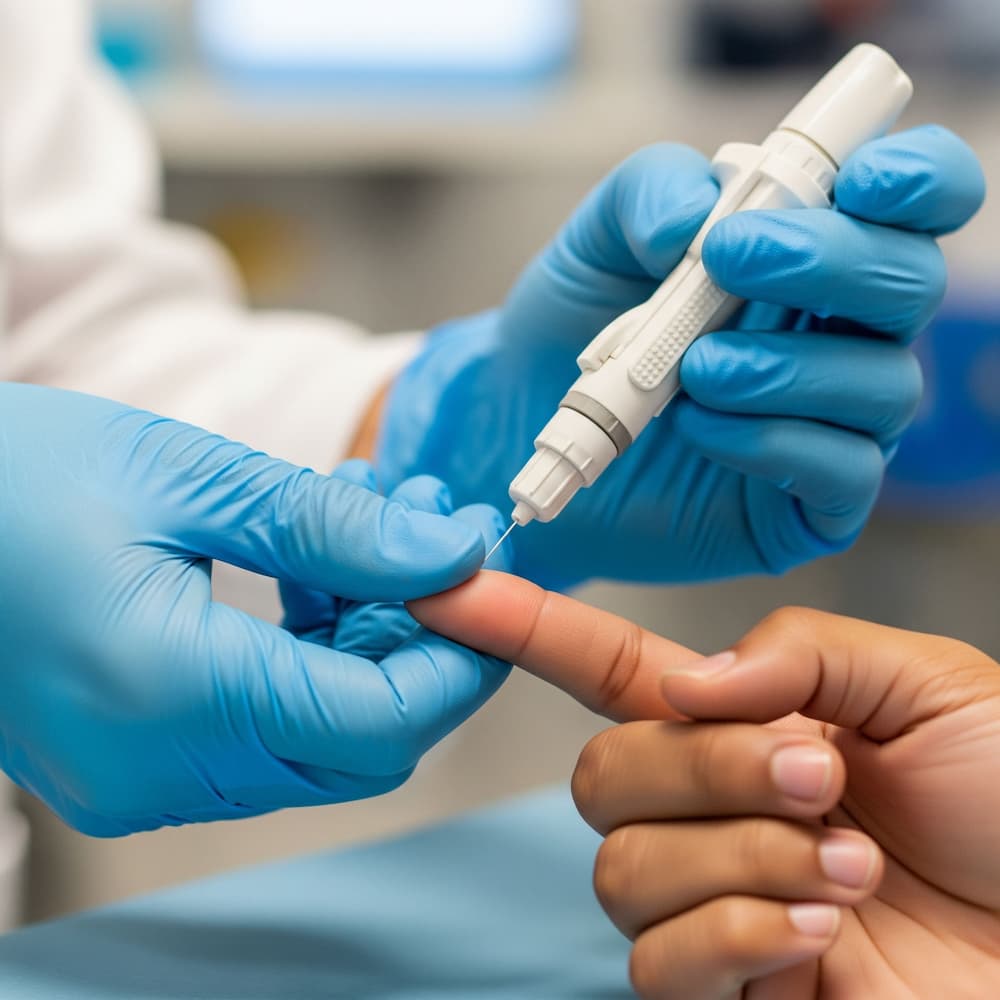
THE BENEFTIS OF PIR
Physiologic Insulin Resensitization (PIR)
At The Cell Center, Physiologic Insulin Resensitization (PIR) is used to reduce insulin resistance, making chronic metabolic conditions more manageable. Developed in 2007, PIR aims to improve glycemic control and has positive impacts on blood pressure, renal function, neuropathy symptoms, insulin sensitivity, and chronic fatigue. It can benefit individuals with diabetes, prediabetes, metabolic syndrome, Polycystic Ovary Syndrome (PCOS), and other insulin-resistant conditions.
PIR is designed to rejuvenate cells using preventive and minimally invasive techniques, aiming to enhance patient care. Under physician-directed care plans, PIR employs a comprehensive approach that emphasizes both efficacy and safety.
It is covered by most insurance plans, including Medicaid and Medicare.