
 904-204-2114 Call today
About PIR
Physiologic Insulin Resensitization (PIR)
PIR is a scientifically validated, physician-directed, patient-focused method that addresses the fundamental cause of numerous chronic conditions — including type 2 diabetes, metabolic syndrome, polycystic ovarian syndrome (PCOS), chronic fatigue, and cardiovascular disease.
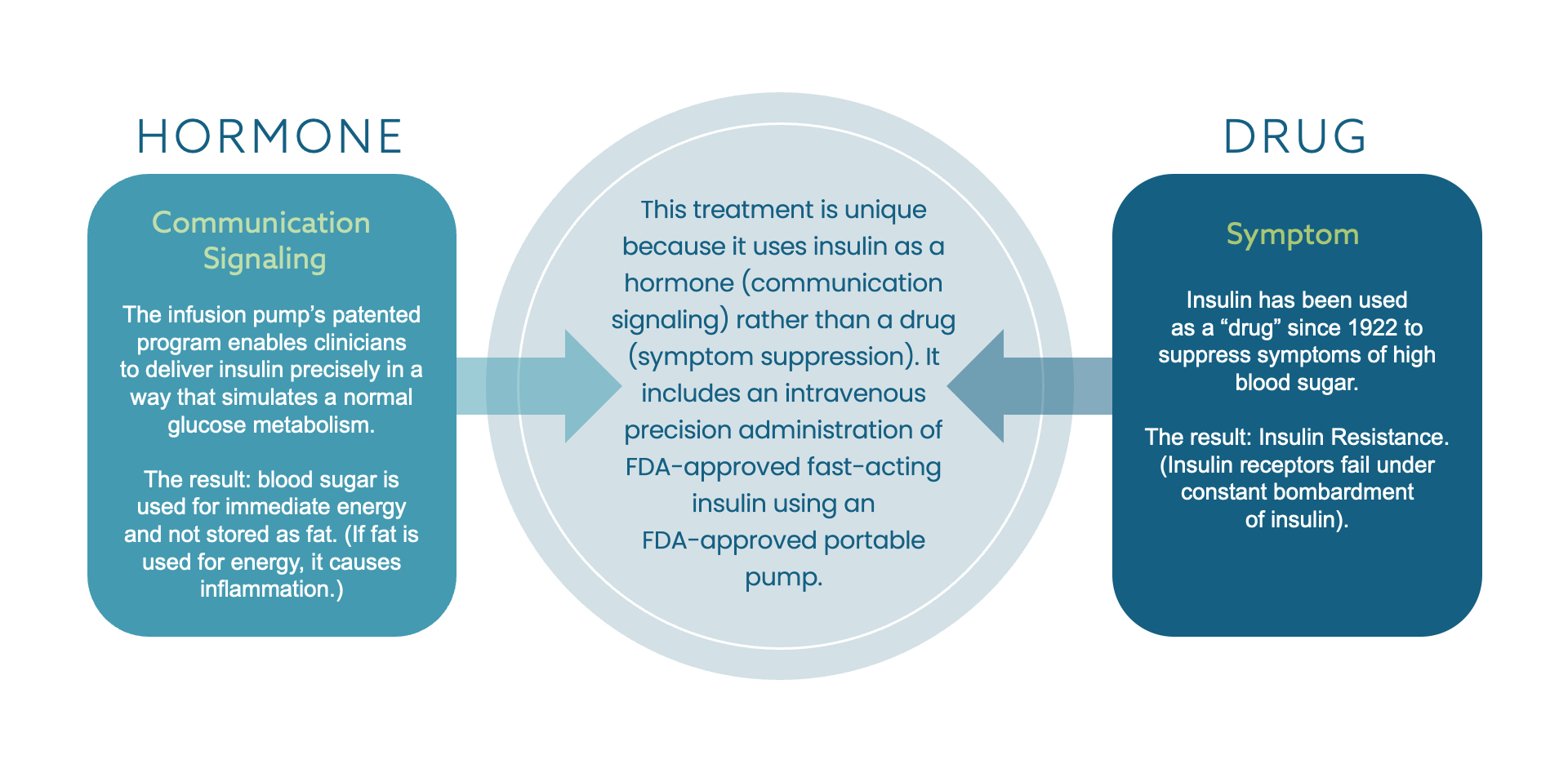
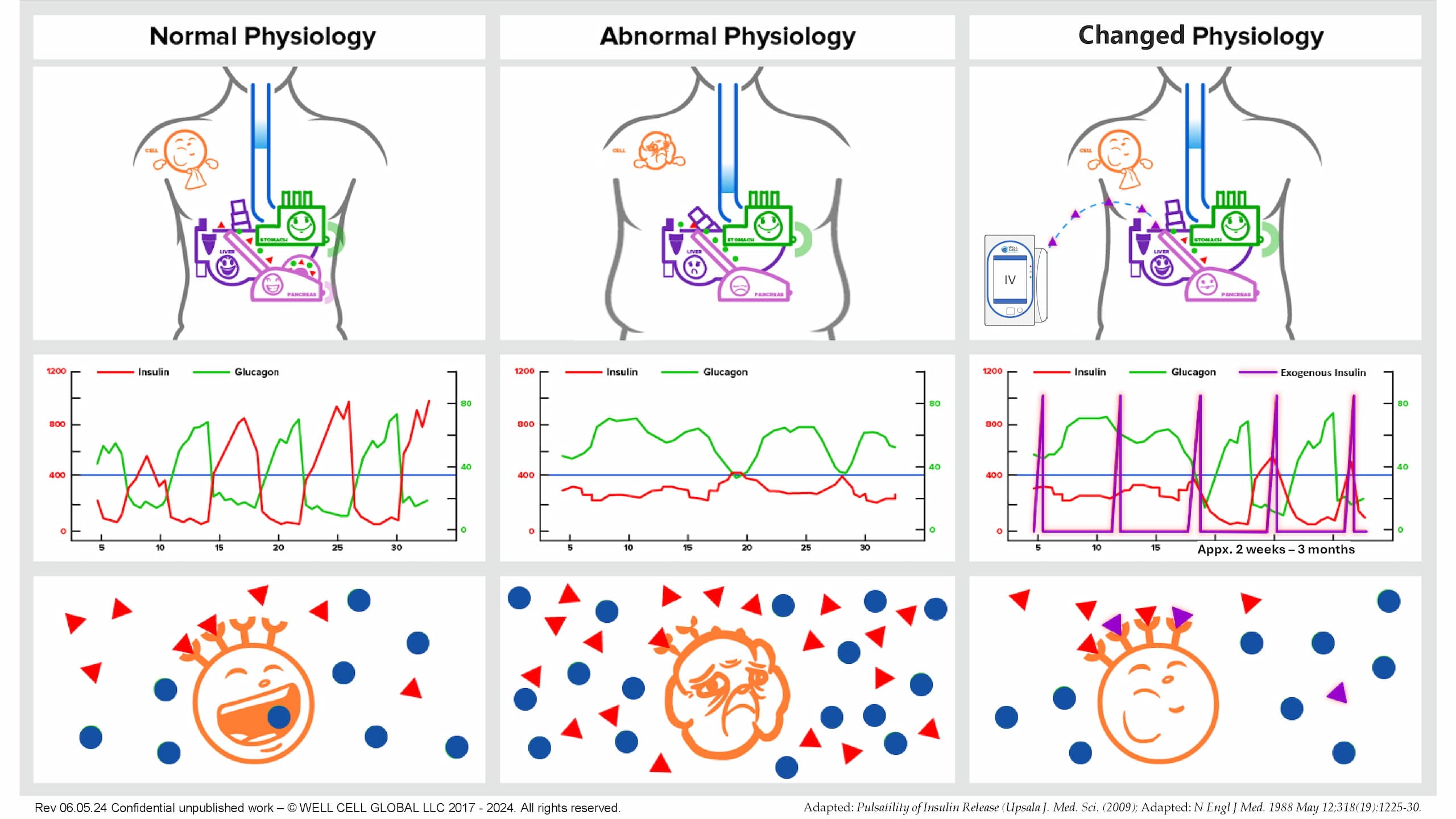
Rather than merely managing symptoms, PIR aims to restore the body’s capacity to respond effectively to insulin treatment, improving cellular metabolism and reducing systemic inflammation. This treatment enhances glucose regulation, supports organ function, and aids in stabilizing energy levels — often resulting in significant improvements in A1C levels, reduction in medication dependency, and overall health outcomes. Developed with both safety and efficacy as priorities, PIR helps the physician provide a sustainable, proactive solution for reversing metabolic dysfunction and enhancing long-term quality of life.
How It Works
An FDA approved fast-acting, precision infusion pump delivers insulin simulating normal glucose metabolism with blood sugar being converted into energy. This allows damaged tissues and organs to grow, repair, and regenerate, stabilizing and reversing the complications of diabetes and other metabolic disorders. It is a comprehensive approach emphasizing both effectiveness and safety.

The Cell Center PIR Disease Treatment Supports
- Pre Diabetes
- Type 2 Diabetes
- Type 3 Diabetes/Alzheimer’s/Dementia
- Chronic Kidney Disease
- Metabolic Disorders including Parkinson’s Disease
- Neuropathy, Pain, Tingling, Numbness
- Wellness & Lifestyle Support
- Chronic Care Management
- Diabetic Complications
- Cardiovascular Issues
- Wound & Ulcer Care
- Aging
- Sexual Performance Enhancements
- Vision, Hair & Skin Improvements
- Reduction in Brain Fog
PIR Insulin Infusion at Work
PIR addresses insulin resistance, a condition that can lead to type 2 diabetes and other cellular metabolic disorders. Backed by research studies and clinical trials conducted by renowned experts, PIR enhances glycemic control in diabetic patients while also impacting blood pressure, renal function markers, symptoms of peripheral neuropathy, insulin resistance and more.

PERSONALIZED CARE
Care Plan
Each physician-directed patient Care Plan is highly individualized and is prescribed to enable the patient to increase the time between treatments and decrease the length of each treatment as the patient’s condition improves.
- A care plan includes an Induction Phase of weekly infusions – up to three treatments per week over a 90-day period.
- A Maintenance Phase follows reducing the number of weekly treatments. A two-hour visit every four to six weeks is common.
- Each treatment is approximately three hours in length. Patients can be active throughout the process while seated (read, work, watch TV, listen to music, etc.).
- PIR is covered by most insurance plans.
- Patients should adopt health, wellness, exercise enhancements into daily life to maximize treatment plans.
- Unfortunately, metabolic impairment is a chronic disease. If patients do not continue treatment, any improvements experienced may diminish over time.
Prevention and Management of Diabetic Complications

Regular Monitoring: Keep track of blood sugar levels, blood pressure, and cholesterol levels.
Healthy Lifestyle: Maintain a balanced diet, engage in regular physical activity, avoid smoking, and limit alcohol intake.
Medical Check-ups: Regular visits to healthcare providers for comprehensive exams and screenings.
Medication Adherence: Take medications as prescribed by your healthcare provider to manage blood sugar levels and other conditions.
Education: Stay informed about diabetes and its potential complications to manage your health proactively.